
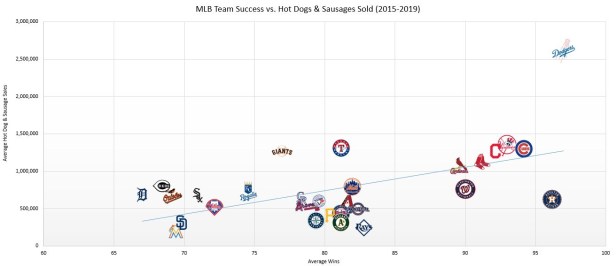
According to an annual study done by the National Hot Dog Council (which I didn’t know existed), Major League Baseball fans typically eat around 20 million hot dogs per season, and no surprise, the Los Angeles Dodgers have led the league in sales with three million of their famous Dodger Dogs.
On average, the Dodgers sell 37,100 dogs a game in their 56,000-capacity stadium, meaning 66 percent of fans consume glizzys.
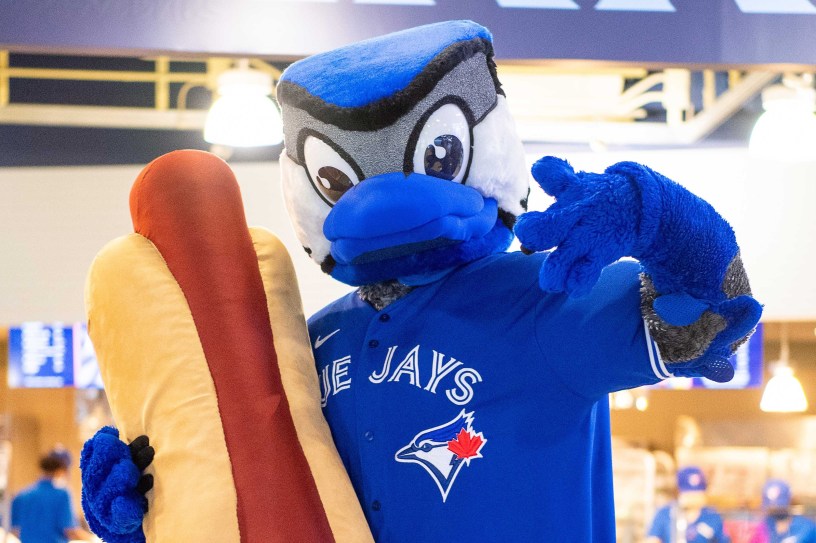
In 2019, the Toronto Blue Jays were a mid-tier team in hotdog sales, digesting less than 900,000 dogs in a season (averaging around 11,000 per home game); in the 2021 and 2022 seasons, they launched the (1$) Loonie Dogs night campaign increase ticket sales and concession revenue for hot dog sales.
This promotion helped Rogers Centre hot dog sales increase from 11,000 to 20,000-40,000 for every Tuesday home game, attracting glizzy gobblers across Canada.
Last September, the Blue Jays set a stadium record of 50,743 meat missiles in a single game, which was still well shy of their lofty goal of 100,000, per Blue Jays director of fan services Christine Robertson.
Although the Jays saw steady growth in the popularity of hot dogs from 2019 to 2022, they still aren’t quite touching the sales numbers of the Dodgers, Yankees, or Red Sox. And that raises the question, is it an attendance problem? Or do Blue Jays fans dislike Schneiders hot dogs?
Last year, the Jays finished eighth in league attendance, averaging 32,763 patrons a game–ahead of the Red Sox (10th) but well behind the Yankees and Dodgers, who both finished in the top three, averaging 40,000+ fans per game.
The Blue Jays have no excuse to not sell at least 15,000 missiles a game, especially with the Loonie Dog promotion and that Toronto has one of the cheapest hot dog prices in the MLB.
I do my part to consume two to four every home game, but it seems most fans attending just don’t like glizzys!
https://pagead2.googlesyndication.com/pagead/js/adsbygoogle.js?client=ca-pub-6164042682437696
 BluebirdTalk.com